

Health and safety on building sites is a critical aspect of the construction industry, ensuring the wellbeing of workers, visitors, and the general public. Construction sites are inherently hazardous environments, involving heavy machinery, working at height, electrical systems, and constantly changing conditions. Without proper safety measures, the risk of accidents and injuries increases significantly. Therefore, implementing and maintaining strong health and safety practices is essential for both legal compliance and moral responsibility.
One of the primary elements of health and safety on building sites is risk assessment. Before any work begins, potential hazards must be identified and evaluated. This includes assessing risks such as falls from height, exposure to hazardous materials, or equipment-related accidents. Once identified, appropriate control measures should be put in place to minimize these risks. Regular reviews of risk assessments are also necessary, as construction sites evolve rapidly and new hazards can emerge.
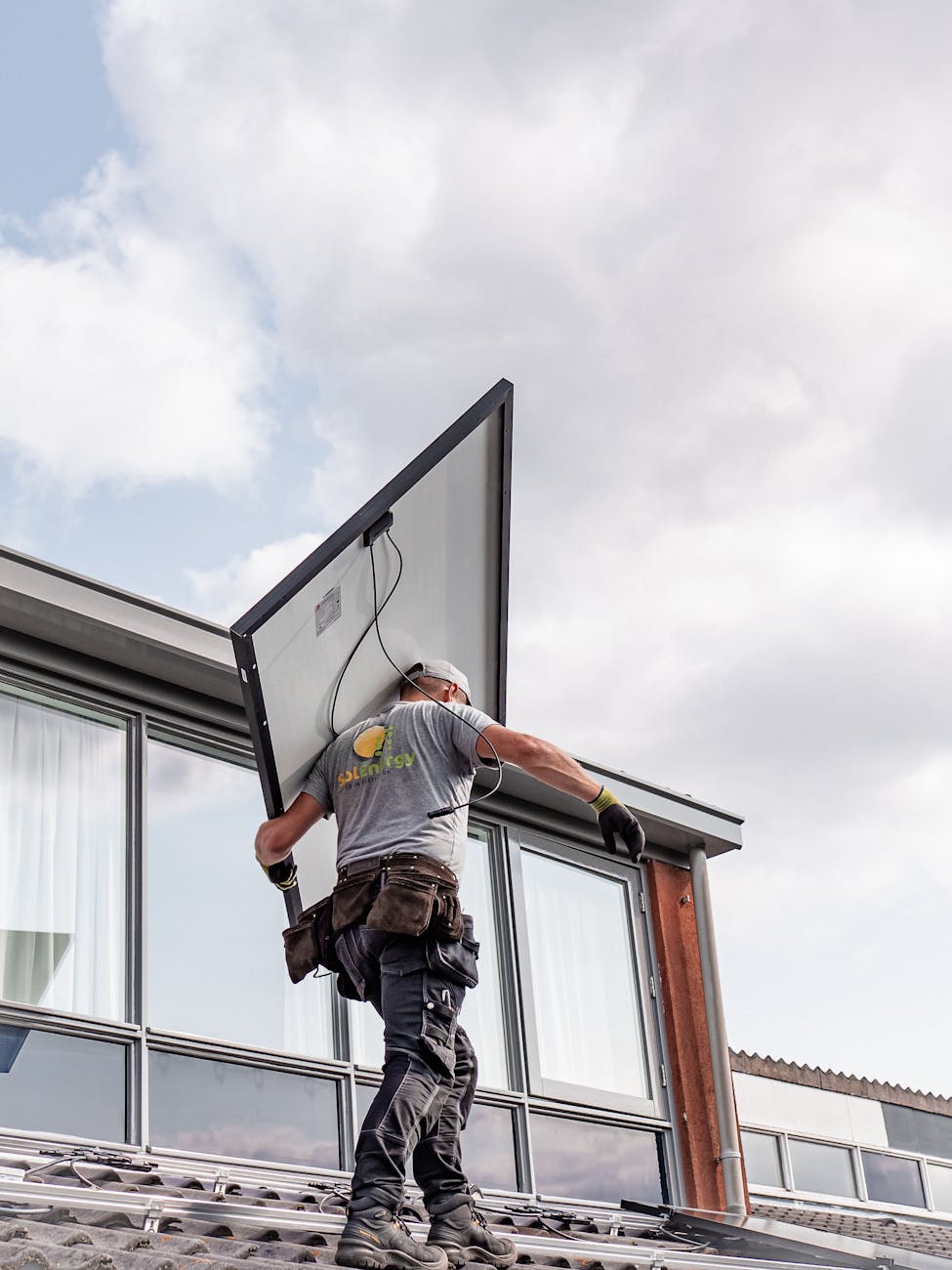
Personal protective equipment (PPE) plays a vital role in safeguarding workers. Items such as hard hats, high-visibility clothing, safety boots, gloves, and eye protection are standard requirements on most sites. PPE acts as the last line of defense against injuries and should always be used in conjunction with other safety measures. Employers are responsible for providing suitable PPE and ensuring that workers are trained in its correct use.

Training and awareness are equally important in maintaining a safe working environment. Workers must be properly trained to carry out their tasks safely and to understand the risks involved. This includes training on operating machinery, handling materials, and following emergency procedures. Regular toolbox talks and safety briefings help reinforce this knowledge and keep safety at the forefront of workers’ minds. A well-informed workforce is more likely to recognize hazards and take appropriate action to prevent accidents.
Effective site management is another key factor in promoting health and safety. Site managers and supervisors must enforce safety rules, monitor working practices, and ensure that all activities are carried out in a controlled manner. Clear communication is essential, particularly on large or complex sites where multiple teams may be working simultaneously. Proper signage, barriers, and designated walkways can help prevent accidents and keep both workers and visitors safe.
Maintaining equipment and machinery is also crucial. Faulty or poorly maintained equipment can lead to serious accidents. Regular inspections and servicing should be carried out to ensure that all tools and machinery are in safe working condition. Additionally, only trained and authorized personnel should operate specialized equipment, reducing the risk of misuse or error.
Another important aspect is managing health risks, not just immediate safety hazards. Construction workers may be exposed to dust, noise, vibration, and harmful substances over time. Prolonged exposure can lead to long-term health issues such as respiratory problems or hearing loss. Implementing measures such as dust suppression systems, noise control, and proper ventilation can help protect workers’ health in the long term.
Emergency preparedness is essential on any building site. Clear procedures must be in place for dealing with accidents, fires, or other emergencies. This includes having first aid kits readily available, trained first aiders on site, and clear evacuation routes. Quick and effective responses can significantly reduce the severity of injuries and prevent further harm.
In conclusion, health and safety on building sites is a fundamental responsibility that requires careful planning, continuous monitoring, and active participation from everyone involved. By prioritizing risk assessment, training, proper equipment, and effective management, construction companies can create safer working environments. Ultimately, a strong commitment to health and safety not only protects lives but also improves productivity, morale, and the overall success of construction projects.


Leave a Reply