
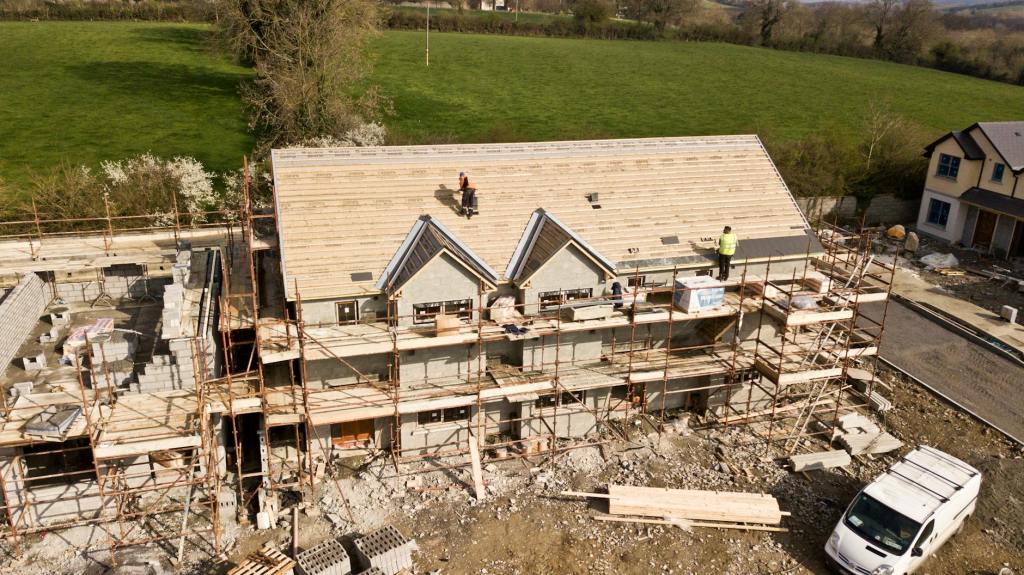
New builds in construction refer to projects where structures are created from the ground up on previously undeveloped or cleared land. These developments play a central role in meeting housing demand, supporting economic growth, and shaping modern urban and rural environments. In recent years, new builds have become increasingly significant due to population growth, urbanization, and the need for more sustainable and energy-efficient buildings.
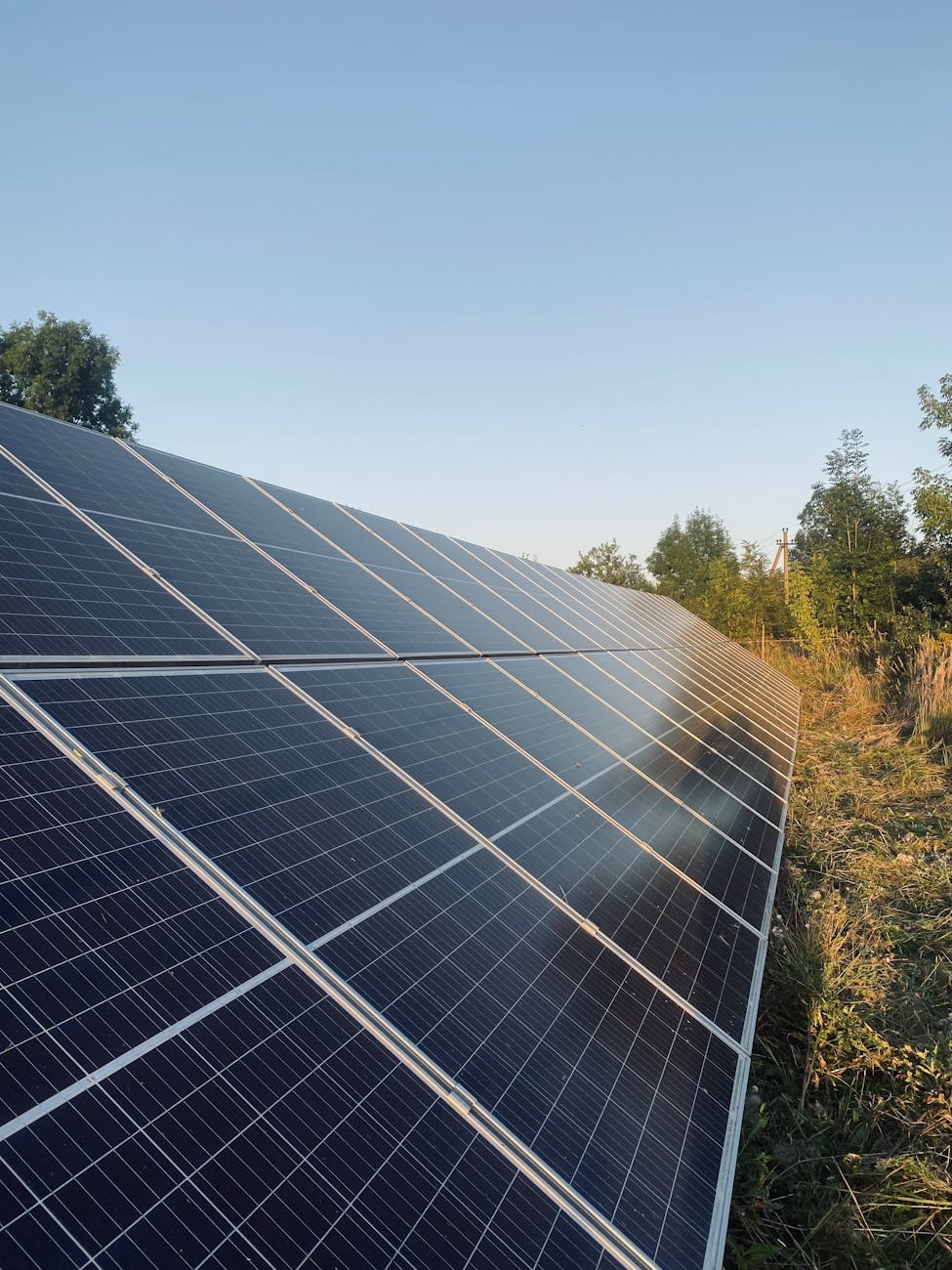
One of the main advantages of new builds is their compliance with modern building regulations and standards. Unlike older properties, newly constructed buildings are designed to meet current safety codes, environmental requirements, and energy efficiency targets. This often includes better insulation, double or triple glazing, and advanced heating systems, all of which contribute to lower energy consumption and reduced utility costs. As governments continue to push for greener construction, many new builds incorporate renewable energy technologies such as solar panels and heat pumps.
Another key feature of new builds is their design flexibility. Developers and architects can tailor layouts to suit contemporary lifestyles, often including open-plan living spaces, integrated kitchens, and smart home technology. These features appeal particularly to younger buyers and families looking for convenience and modern aesthetics. Additionally, new housing developments are often planned with community infrastructure in mind, including green spaces, schools, and transport links, creating more cohesive and livable neighborhoods.
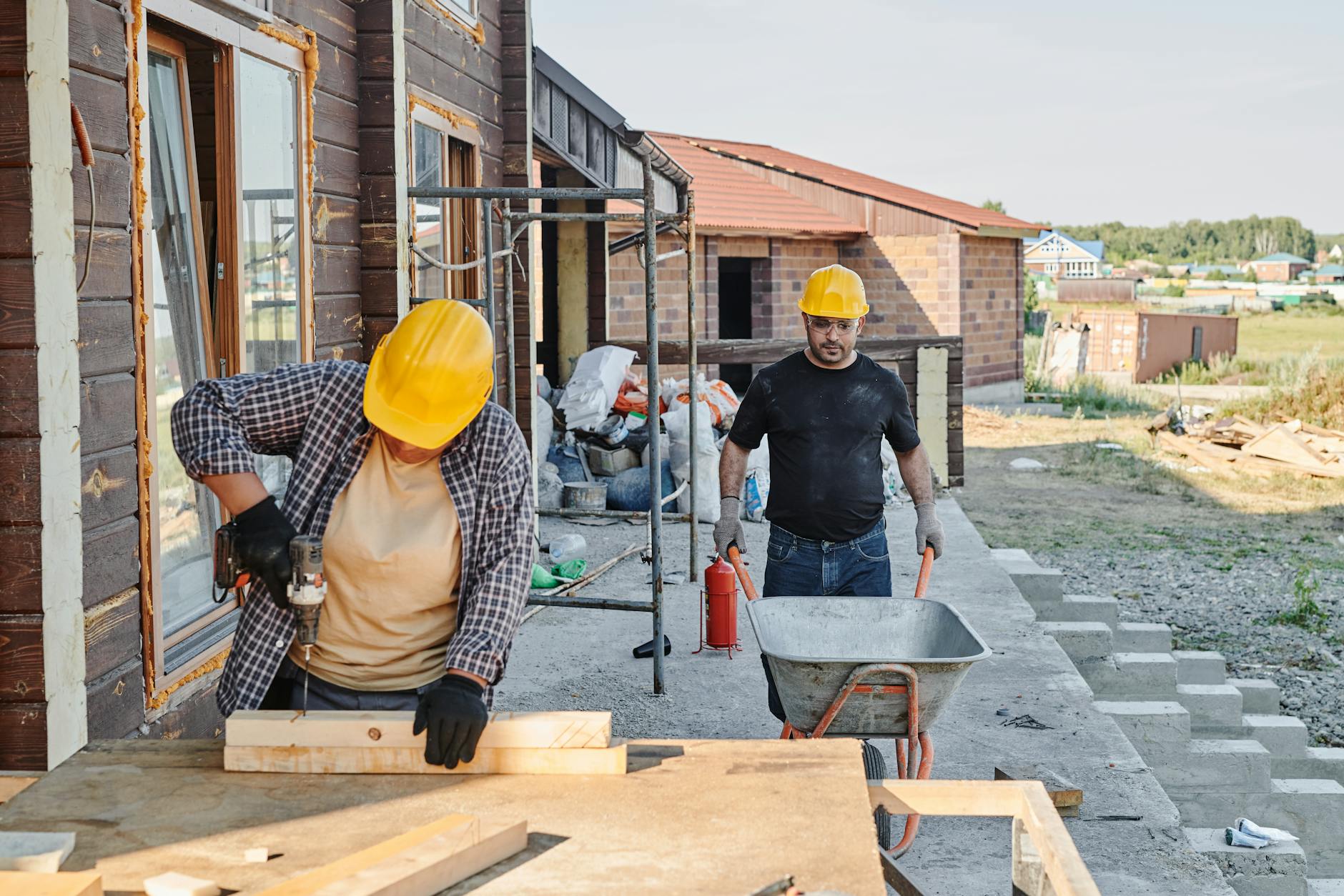
From an economic perspective, new builds contribute significantly to job creation and local development. Construction projects require a wide range of professionals, from engineers and architects to laborers and project managers. This not only boosts employment but also stimulates demand in related industries such as manufacturing, logistics, and real estate. Furthermore, new developments can increase property values in surrounding areas and attract investment into previously underdeveloped regions.
However, new builds are not without challenges. One common criticism is their cost. New properties are often priced at a premium compared to older homes, partly due to the expense of land, materials, and compliance with modern standards. This can make them less accessible to first-time buyers, despite government schemes aimed at improving affordability. Additionally, there are concerns about the quality of some new builds, particularly when developers prioritize speed and profit over craftsmanship. Issues such as poor finishes or structural defects can undermine buyer confidence.
Environmental impact is another important consideration. While new builds are generally more energy-efficient, the construction process itself can be resource-intensive and generate significant carbon emissions. The extraction of raw materials, transportation, and on-site activities all contribute to the environmental footprint. As a result, there is growing emphasis on sustainable construction practices, including the use of recycled materials, modular construction methods, and low-carbon technologies.
Planning and land use also present challenges. In many regions, there is tension between the need for new housing and the preservation of green spaces or historical sites. Local communities may resist new developments due to concerns about overcrowding, traffic, or changes to the character of their area. Balancing these concerns with the demand for housing requires careful planning and effective communication between developers, governments, and residents.
In conclusion, new builds are a vital component of the construction industry, offering modern, efficient, and adaptable living and working spaces. While they bring clear benefits in terms of innovation, sustainability, and economic growth, they also raise important questions about affordability, quality, and environmental impact. As the industry evolves, the focus will likely remain on creating new builds that are not only functional and attractive but also responsible and inclusive.


Leave a Reply