
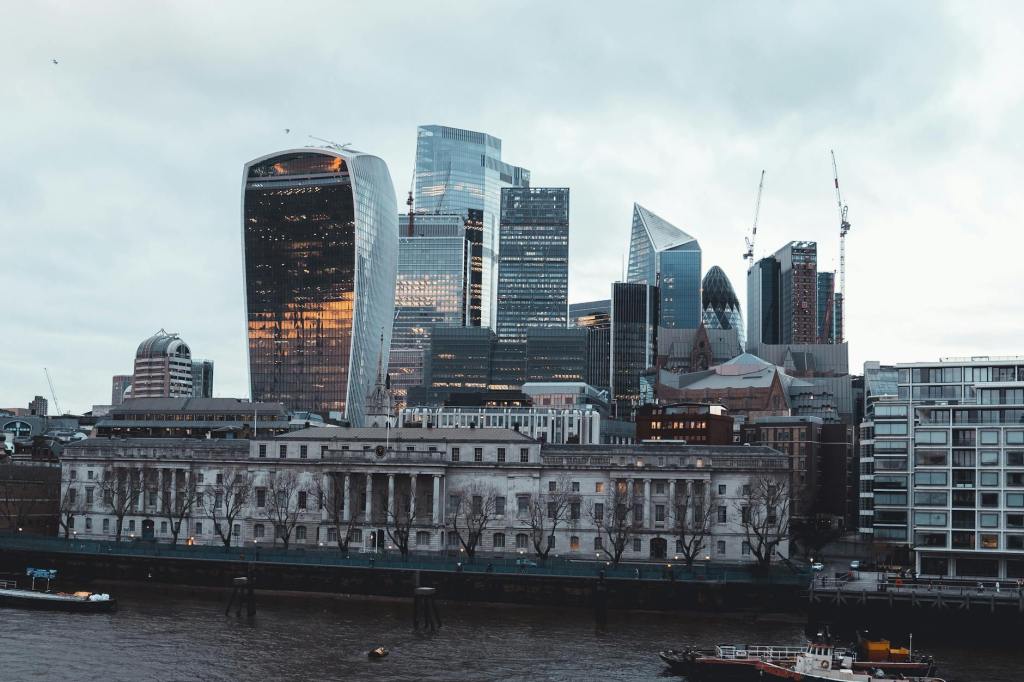
High-rise buildings have become a defining feature of modern cities, reflecting advances in engineering, architecture, and urban planning. Typically classified as structures with multiple floors that extend vertically to maximize space, high-rise builds are increasingly used for residential, commercial, and mixed-use developments. As urban populations continue to grow and land becomes more limited, high-rise construction offers a practical solution to accommodate demand while making efficient use of available space.
One of the main reasons for the rise of high-rise buildings is urbanization. As more people move into cities in search of employment, education, and better living standards, the demand for housing and office space increases. Building upwards rather than outwards allows developers to house more people within a smaller footprint. This is particularly important in densely populated cities where land prices are high and expansion is restricted. High-rise developments help reduce urban sprawl and preserve surrounding green spaces.
Advancements in construction technology have made high-rise builds safer and more efficient than ever before. Modern materials such as reinforced concrete and steel provide the strength needed to support tall structures, while innovations in design help buildings withstand environmental forces such as wind and earthquakes. Additionally, the use of computer-aided design (CAD) and building information modeling (BIM) allows architects and engineers to plan and manage complex projects with greater accuracy and coordination.
High-rise buildings also offer a range of economic benefits. By concentrating residential and commercial spaces in one location, they create opportunities for businesses and services to thrive. Mixed-use high-rises, which combine apartments, offices, retail spaces, and leisure facilities, contribute to vibrant and self-sustaining communities. These developments can boost local economies, create jobs, and attract investment into urban areas.
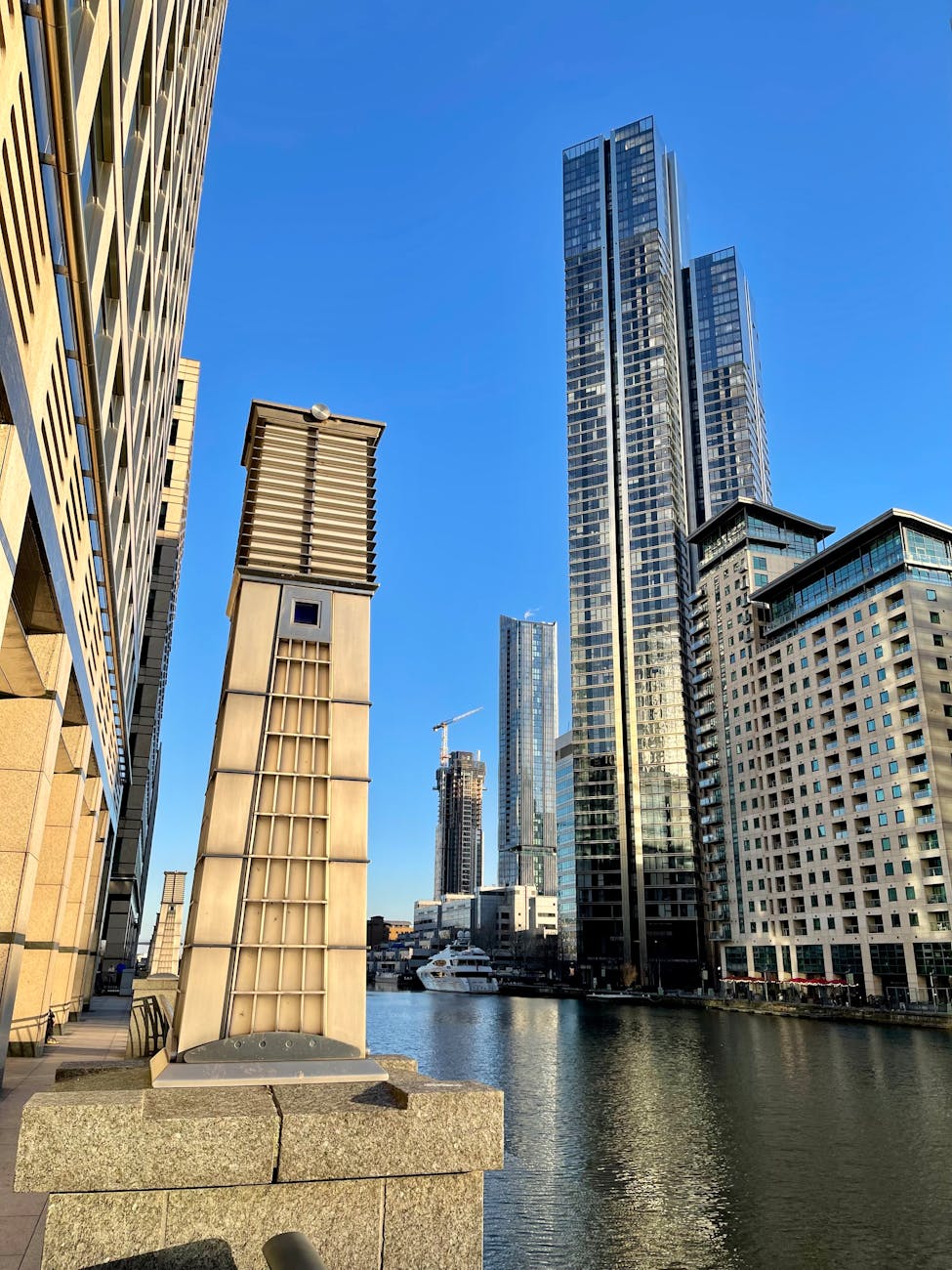
However, high-rise construction also presents several challenges. One of the most significant concerns is safety, particularly in relation to fire risks and emergency evacuations. Ensuring that buildings are equipped with effective fire protection systems, such as sprinklers, fire-resistant materials, and multiple escape routes, is essential. Strict building regulations and regular inspections are necessary to maintain safety standards and protect occupants.
Another challenge is the environmental impact of high-rise buildings. While they can reduce land use, their construction often requires large amounts of materials and energy. Additionally, high-rise buildings consume significant energy for heating, cooling, lighting, and elevator systems. To address these concerns, many developers are incorporating sustainable design features such as energy-efficient systems, green roofs, and renewable energy sources to reduce the environmental footprint.
Social factors also play a role in the discussion of high-rise living. While some people enjoy the convenience, views, and amenities offered by tall buildings, others may feel disconnected from the community or experience issues related to noise and privacy. Designing high-rise buildings that promote a sense of community and provide comfortable living conditions is an ongoing challenge for architects and planners.
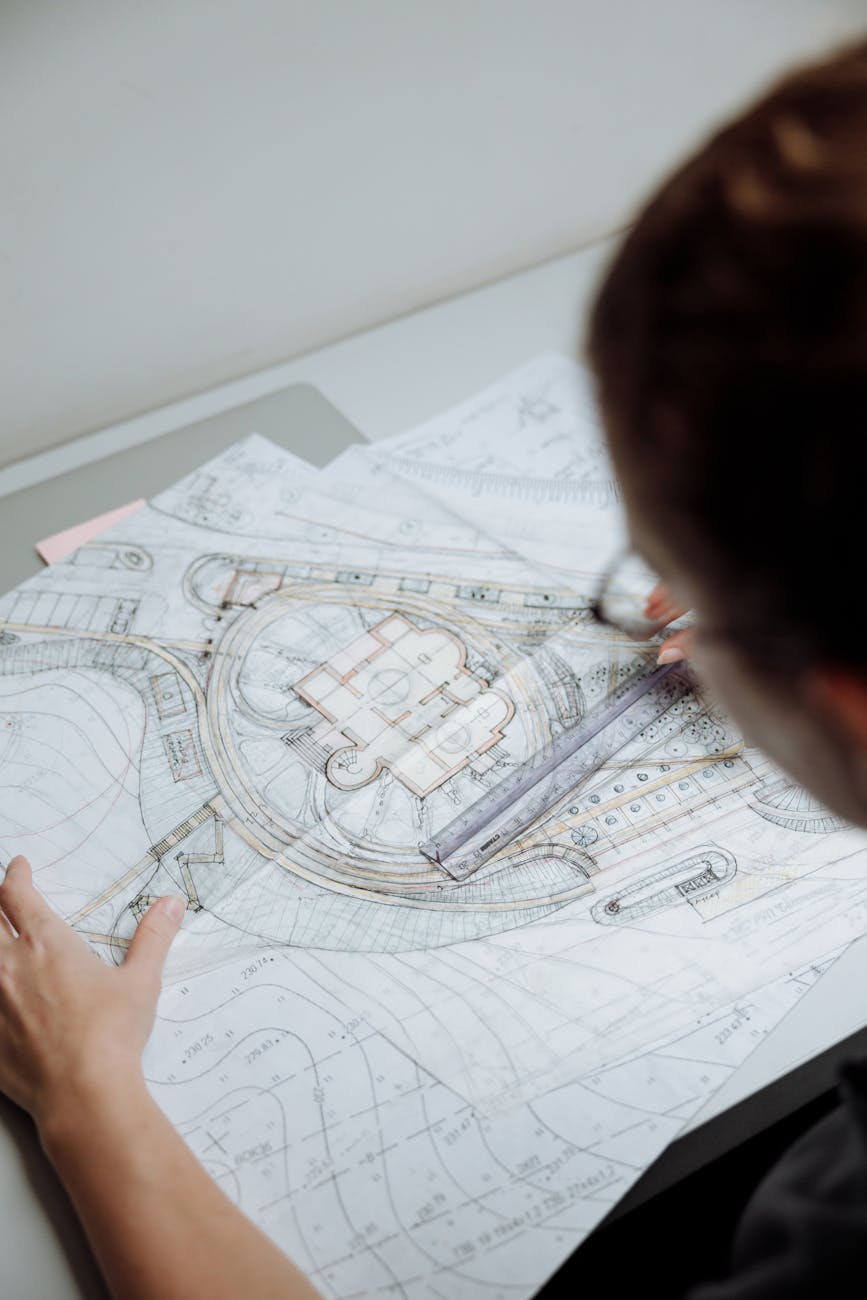
In conclusion, high-rise builds are an essential part of modern urban development, offering a solution to the challenges of population growth and limited land availability. They provide economic opportunities, efficient land use, and the potential for innovative and sustainable design. However, they also require careful planning to address safety, environmental, and social concerns. As cities continue to evolve, high-rise buildings will remain a key element in shaping the future of urban living.


Leave a Reply